
Aanvla Navami
The Hindus celebrate Aanvla Navami as a holy day with donations and charity for the well-being of the family The […]
The Hindus celebrate Aanvla Navami as a holy day with donations and charity for the well-being of the family
The Akshaya Navami 2026 Guide: Why Everyone is Heading to the Gooseberry Tree
Forget the standard garden parties. Akshaya Navami (also known as Aanvla Navami) is the ultimate “green” festival where nature and spirituality collide. Observed exactly two days before Dev-Utthani Ekadasi, this is a day dedicated to the Gooseberry (Amla) tree, which is believed to be a physical manifestation of Lord Vishnu and Goddess Lakshmi.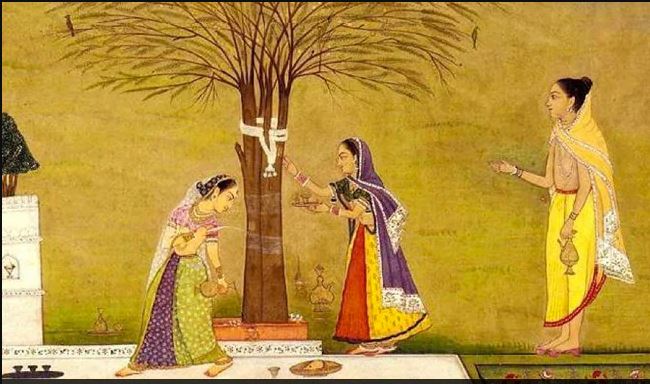
In 2026, as we lean into sustainable living and plant-based healing, this festival feels more relevant than ever. Here is how you can celebrate this “immortal” day on November 18, 2026.
The “Why”: The Story of Eternal Merit
The word Akshaya means indestructible or never-ending. Ancient scriptures suggest that any good deed, prayer, or charity performed on this day remains with you for lifetimes.
The legend tells of a wealthy merchant’s wife who was childless. After being advised to worship the Amla tree and organize a feast beneath it, she was blessed with a family. Since then, the Amla tree has been worshipped as a symbol of fertility, prosperity, and health.
Core Significance: The Power of the Amla
-
The Divine Abode: It is believed that all gods and goddesses reside in the Amla tree during the month of Kartik. Worshipping the tree is like getting a “bundle deal” on divine blessings.
-
Health is Wealth: Amla is a powerhouse of Vitamin C and antioxidants. By bringing the community to the tree, the festival subconsciously reminds us of the medicinal value of nature.
-
The Satya Yuga Connection: Some traditions believe that the Satya Yuga (the Age of Truth) began on this day, making it the “Birthday of Time” itself.
How to Celebrate: The Ritual Checklist
| Step | Action | Significance |
| The Cleanse | Take a bath early in the morning. | Purifying the body before the ritual. |
| The Circumambulation | Walk around the Amla tree 8, 27, or 108 times. | Symbolic of the cycle of life and focus. |
| The Thread Ritual | Wrap a yellow or red raw cotton thread around the trunk. | Tying your prayers and intentions to the divine. |
| The Sacred Meal | Eat under the Amla tree. | This is the most famous part! Dining in the tree’s shadow is said to cure ailments. |
Modern Take: Style
1. Eco-Spirituality
People are using Akshaya Navami as a day for mass plantation drives. Instead of just worshipping an existing tree, the trend is to plant a new Amla sapling in your backyard or community park.
2. The “Picnic” Revival
The traditional “Van Bhojan” (forest feast) is making a comeback as a way to disconnect from screens. Families head to orchards or parks, cook simple Satvik food, and spend the day outdoors.
3. Charity 2.0
Since any donation made today is “Akshaya” (eternal), people are shifting from just giving grains to setting up digital scholarships or donating to environmental NGOs.
Quick Facts for Your Calendar
-
Date: November 18, 2026 (Wednesday).
-
Tithi: Kartik Shukla Navami.
-
Must-Haves: Water, milk, flowers, and a lamp for the Puja.
The Bottom Line
Akshaya Navami isn’t just about old-school rituals; it’s a beautiful excuse to touch the earth, appreciate the shade of a tree, and eat a meal with your loved ones in the open air. It’s a festival that teaches us that the best way to find the divine is to look at the nature right in front of us.
Are you planning an outdoor feast this Akshaya Navami?
Read more about Kartika month festivals: Kartik Purnima
आंवला नवमी और पूजा विधि के बारे में हिंदी में पढ़ें, क्लिक करें