
Children’s Day
Children’s Day or Bal Diwas in India is celebrated on the 14th of November, on the birthday of Nehruji, every […]
Children’s Day or Bal Diwas in India is celebrated on the 14th of November, on the birthday of Nehruji, every year
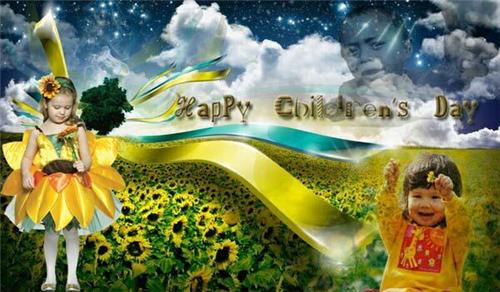
Children’s Day, celebrated across India as Bal Diwas, is a day dedicated to the innocence, freedom, and potential of every child. While the world observes Universal Children’s Day on November 20th, India marks this occasion on November 14th. This date was specifically chosen to honor the legacy of the nation’s first Prime Minister, PanditJawaharlal Nehru, and his vision for the youth of India.
The Legacy: Why We Celebrate on November 14th
The history of this day is deeply rooted in the life of Pandit Jawaharlal Nehru. Known for his immense affection for children, Nehru was fondly addressed as “Chacha Nehru” (Uncle Nehru) by youngsters nationwide.
He believed that children should be nurtured with care, as they represent the foundation of a nation’s future. Following his passing in 1964, a resolution was passed in the Indian Parliament to observe his birthday as National Children’s Day. This shift from the UN-designated date served as a unique tribute to his lifelong advocacy for children’s welfare and education.
Significance: More Than Just a Celebration
Bal Diwas is a reminder to the nation of the responsibilities it holds toward its youngest citizens. The day serves three vital purposes:
-
Advocating Rights: It highlights the fundamental rights of children, including access to education, healthcare, and protection from exploitation.
-
Honoring Vision: It commemorates Nehru’s role in establishing world-class educational institutions, ensuring that the youth have the tools to lead the country forward.
-
Welfare Focus: It provides a platform for the government and social organizations to launch new initiatives for the nutrition and well-being of underprivileged children.
National Celebrations: How India Marks the Day
On this day, the standard academic routine in schools is replaced by joy and creativity. Common traditions include:
-
School Events: Teachers often organize special performances for their students, reversing traditional roles to show appreciation. Activities include skits, dances, and “fancy dress” competitions where children often dress as historical figures.
-
Tributes: Political leaders and citizens offer floral tributes at Nehru’s memorials, such as Shanti Vana, reflecting on his contributions to modern India.
-
Community Outreach: Many individuals and NGOs visit orphanages or community centers to distribute books, toys, and sweets, ensuring the spirit of the day is inclusive of all children regardless of their social background.
Quick Facts Summary
| Feature | Details |
| Official Name | Bal Diwas (National Children’s Day) |
| Founder Tribute | Pandit Jawaharlal Nehru (1889–1964) |
| Traditional Symbol | The Red Rose (Symbolizing beauty and the blossoming mind) |
| Primary Theme | Education, Care, and Child Rights |
The celebration of childhood is a collective journey. We invite you to share your perspectives:
-
For Students: What was the most memorable part of your Children’s Day celebration this year?
-
For Adults: What is your most cherished memory of celebrating Bal Diwas during your school years?
-
For Parents: What steps can we take as a society to better protect and educate the children of today?
Please share your thoughts and experiences in the comments section below.
“The children of today will make the India of tomorrow. The way we bring them up will determine the future of the country.” — Pandit Jawaharlal Nehru