
Durga Puja
Durga Puja is worshiped with devotion all over India during the 4-days festival Durga Puja, also known as Durgotsav, is […]
Durga Puja is worshiped with devotion all over India during the 4-days festival
Durga Puja, also known as Durgotsav, is more than a festival; it is a global cultural phenomenon recognized by UNESCO as an Intangible Cultural Heritage. It celebrates the homecoming of Goddess Durga with her four children—Lakshmi, Saraswati, Ganesha, and Kartikeya—as she triumphs over the demon Mahishasura.
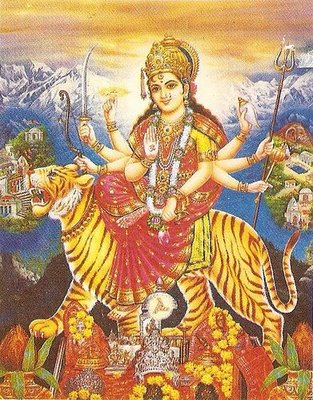
In 2026, the primary festivities of the 5-day Durgotsav begin on October 16 and conclude with the emotional immersion of the idols on October 21.
1. Durga Puja 2026: The Essential Calendar
Bengali tradition follows a specific 5-day cycle of rituals. Here is the 2026 schedule:
| Day | 2026 Date | Significance |
| Mahalaya | Oct 10, 2026 | The “Invitation” to the Goddess to descend to Earth. |
| Maha Shashthi | Oct 16, 2026 | The Goddess is welcomed (Bodhon and Adhivas). |
| Maha Saptami | Oct 17, 2026 | The Kola Bou (Banana Bride) bath in the river. |
| Maha Ashtami | Oct 18, 2026 | Anjali and the sacred Sandhi Puja. |
| Maha Navami | Oct 20, 2026 | The final day of worship and grand feast. |
| Bijoya Dashami | Oct 21, 2026 | Sindoor Khela and the Immersion (Bhasan). |
Note: In 2026, the Sandhi Puja—the most powerful 48 minutes of the festival—will occur at the junction of Ashtami and Navami on October 19th night.
2. The 5 Pillars of Durgotsav Rituals
What makes Durga Puja unique from other Hindu festivals? These five rituals are the heartbeat of the celebration:
-
Mahalaya (The Invocation): A week before the puja starts, devotees wake up at 4:00 AM to listen to the Mahishasura Mardini (chanting of verses). It marks the beginning of Debi Paksha.
-
Bodhon (The Awakening): On Shashthi, the Goddess is symbolically “awakened” in a ritual involving a Bilva (Wood Apple) tree.
-
Sandhi Puja (The Junction): Performed at the exact moment the 8th lunar day ends and the 9th begins. It commemorates the moment Durga took the form of Chamunda to slay Chanda and Munda. 108 lamps are lit during this time.
-
Dhunuchi Naach: To the rhythmic beat of the Dhak (drums), devotees perform a traditional dance holding clay censers filled with burning charcoal and coconut husks.
-
Sindoor Khela (The Vermilion Play): On Dashami, before the idol is taken for immersion, married women smear vermilion on each other, wishing for a long and happy married life.
3. The Art of the Pandals
For your readers visiting Kolkata or major cities like Delhi (CR Park), the pandals are the main attraction.
-
The Themes: Pandals are temporary structures made of bamboo and cloth, but they are works of art. Themes range from environmental conservation to recreations of famous world monuments.
-
The Protima (Idol): Look for the “Ekchala” style—where all the deities are housed within a single backdrop—vs. modern creative interpretations.
4. Feast Like a Bengali: The “Bhog” and Street Food
Unlike most Hindu festivals involving fasting, Durga Puja is a celebration of food.
-
The Bhog: Usually consists of Khichuri, Labra (mixed veg), Beguni (fried eggplant), and Payesh (rice pudding).
-
Street Food Crawl: From Kolkata’s famous Egg Rolls and Fish Fry to Mishthi Doi and Rosogolla, the food stalls outside the pandals are as important as the puja inside.
5. Essential Tips for Durga Puja 2026
-
Stay Hydrated: Even in October, the crowds in Kolkata can be intense. Carry water and wear comfortable walking shoes.
-
The “Ashtami” Look: Traditionally, everyone wears new clothes on Ashtami morning. For men, it’s a Panjabi (Kurta), and for women, it’s a Lal-Paar (White saree with red border).
-
Eco-Visarjan: Many committees are now opting for eco-friendly paints and “artificial ponds” for immersion to protect the rivers. Look for these “Green Pujas” if you want to support sustainable traditions.
6. Secret Symbolism: Why the Lion?
Many visitors ask why Durga is shown riding a lion.
-
The lion represents raw power and ego. By riding the lion, the Goddess shows that she has mastered these instincts.
-
Her ten arms hold weapons gifted by all the other gods, symbolizing that the collective power of divinity is always stronger than solitary evil.
दुर्गा पूजा विधि, महत्व, मंत्र हिंदी में जानने के लिये यहां क्लिक करें