
Kojagari Lakshmi Puja
Post Durga Puja and Dussehra- people of Bengal, Assam and Orissa worship Goddess Lakshmi on Kojagori and legends and rituals […]
Post Durga Puja and Dussehra- people of Bengal, Assam and Orissa worship Goddess Lakshmi on Kojagori and legends and rituals of Kojagori Lakshmi Puja
The Divine Night of Awakening and Abundance
While the rest of India prepares for Diwali, the eastern states of West Bengal, Odisha, and Assam transform into a golden glow during Kojagari Lakshmi Puja. Observed on the full moon day of the lunar month of Ashwin (Sharad Purnima), this festival is a soulful celebration of prosperity, harvest, and the divine grace of Maa Lakshmi.
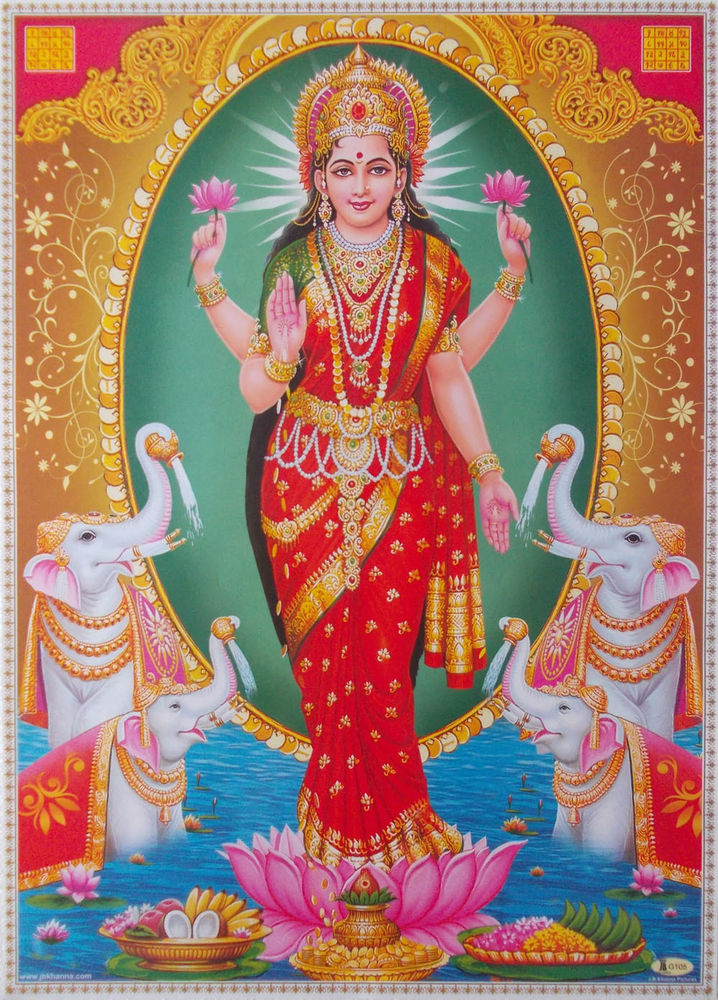
The word “Kojagari” literally translates to “Who is awake?” (Ko Jagarti?). It is believed that on this moonlit night, the Goddess of Wealth traverses the earth, knocking on doors to bless those who remain awake in her devotion.
The Legend of the Night Watch
The significance of “staying awake” is rooted in ancient folklore. It is said that Goddess Lakshmi descends to Earth to end the cycle of poverty. She searches for homes that are clean, illuminated, and filled with the sound of prayer. Those who sleep may miss her visit, while those who keep vigil—chanting her name and lighting lamps—are bestowed with lifelong health and wealth.
Rituals: Inviting the Goddess Home
The preparations for Kojagari Lakshmi Puja are an art form in themselves, blending spiritual discipline with creative expression.
-
Alpana (Sacred Rice Art): The most striking feature is the Alpana—intricate floor patterns made with liquid rice paste. Devotees paint tiny, symbolic “footprints” of Maa Lakshmi leading from the entrance of the house straight to the prayer room and the locker, symbolizing her entry and stay.
-
The Lokkhir Sora: In many Bengali households, the Goddess is worshipped through a Sora—a hand-painted clay plate depicting Lakshmi alongside her mount, the white owl (Pecha), and symbols of grain.
-
The Moonlit Kheer: A unique tradition involves preparing Kheer (rice pudding) and leaving it under the open sky. It is believed that on Sharad Purnima, the moon showers Amrit (nectar), which is absorbed by the Kheer, giving it healing and divine properties.
The Traditional “Bhog” (Offerings)
No Kojagari Puja is complete without a lavish spread of vegetarian delights. Unlike other festivals, the offerings here are deeply tied to the harvest.
-
Narkel Naru: Sweet coconut balls made with jaggery or sugar.
-
Bhoger Khichuri & Labra: A nutritious mix of rice, lentils, and a medley of seasonal vegetables.
-
Moa & Murki: Puffed rice treats coated in golden jaggery.
-
Hilsa Tradition: Interestingly, in many East Bengali (Bangal) households, a pair of Hilsa fish (Jora Ilish) is offered to the Goddess as a symbol of ultimate auspiciousness.
Quick Interactive Guide
| Ritual | Spiritual Significance |
| Staying Awake | Symbolizes spiritual alertness and readiness to receive grace. |
| Lighting Lamps | To dispel the darkness of ignorance and poverty. |
| Paddy Stalks | Representing Dhanya Lakshmi—the goddess of food and harvest. |
| Conch Shell (Shankha) | Blown to drive away negative energies and welcome the divine. |
Tips for Devotees
-
Best Time for Puja: The Nishita Kaal (midnight) is considered the most auspicious time for the main rituals.
-
Essential Items: Ensure you have a Lakshmi Panchali (sacred book of stories), lotus flowers, and incense.
-
Dress Code: Traditional attire, usually in red or yellow, is preferred to honor the Goddess.
Why celebrate Kojagari Lakshmi Puja?
It is more than just a search for wealth; it is a celebration of the “inner light.” By staying awake, we remind ourselves to remain conscious, grateful, and hardworking. This year, as the full moon illuminates your home, may Maa Lakshmi find your doors open and your heart full.
कोजागरी व्रत पूजा, कथा और मंत्र हिंदी में पढ़ने के लिये यहां क्लिक करें