
Celebrations of Teej
Teej festival is celebrated with great joy and colorful customaries throughout northern India A Royal Monsoon Symphony Teej is Rajasthan’s […]
Teej festival is celebrated with great joy and colorful customaries throughout northern India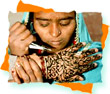
A Royal Monsoon Symphony
Teej is Rajasthan’s most vibrant tribute to the monsoon—a celebration of “Greenery and Grace.” While it is celebrated across North India, the scale and royal grandeur found in the “Pink City” of Jaipur and the historic town of Bundi are unmatched. It is a festival of the heart, marking the end of summer’s heat and the beginning of nature’s rejuvenation.
The Legend: 108 Births of Devotion
At its core, Teej commemorates the “Power of Persistence.” * The Epic Union: According to Hindu mythology, Goddess Parvati underwent 108 births and performed intense penance for thousands of years to win the love of Lord Shiva.
-
The Blessing: Shiva finally accepted her on the day of Hariyali Teej. Parvati, also known as Teej Mata, declared this day auspicious for any woman who invokes her, promising them a blissful and long married life.
The Three Pillars of Teej (2026 Dates)
Teej is not a single day but a season of three distinct celebrations, each with its own rhythm and rigor.
In Jaipur, Teej is a state-sponsored event where the “Royal Household” still participates.
-
The Golden Palanquin: The idol of Teej Mata emerges from the Tripolia Gate of the City Palace. The antique palanquin is carried by uniformed guards in a sea of red and gold.
-
The Entourage: The procession is a sensory overload of caparisoned elephants, vintage horse-drawn chariots, and folk performers like the Ghoomar and Kalbeliya dancers.
-
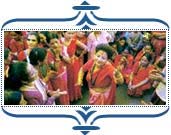
The Crowd: Thousands line the rooftops of Tripolia Bazaar. The air is filled with the scent of incense and the sound of the Shehnai.
The Cultural DNA: Rituals & Symbols
-
The Sinjara: A day before Teej, a married woman’s in-laws or parents send her a Sinjara—a gift hamper containing henna, bangles, and the iconic Leheriya (tie-dye) saree.
-
Henna (Mehendi): Intricate designs are applied to the hands. Legend says: The darker the henna, the more you are loved by your husband.
-
The Swings (Jhoolas): Swings are hung from massive Banyan or Neem trees, decorated with marigolds. This represents the “circular flow of life” and the joy of the monsoon.
The Culinary Soul: Ghewar & Beyond
Teej is incomplete without the “Monsoon King” of sweets: The Ghewar.
-
Ghewar: A honeycomb-shaped dessert that requires specific monsoon humidity to achieve its signature crispiness. Look for the Paneer Ghewar or Rabri Ghewar in the markets of Jaipur.
-
Sattu: Specifically for Kajari Teej, this roasted gram flour sweet is the ritual food used to break the fast.
Why the 2026 Fair is a Must-Visit
In 2026, Hariyali Teej coincides with India’s Independence Day (August 15), making it a massive weekend of national and cultural pride.
-
Bundi’s Distinct Flavor: If you want a more “rural” and extended celebration, visit Bundi. Their Kajli Teej fair lasts for 15 days and features the unique Algoza (double-flute) recital competitions.
Pro-Tip for Travelers: For the best view of the Jaipur procession, head to the Iswari Minar Swarga Sal or book a rooftop seat at a cafe in Chhoti Chaupar at least 3 hours before the palanquin leaves the palace.
The Ultimate Shopping Guide
1. Where to Buy Authentic Leheriya
Leheriya (the wave-patterned tie-dye) is the official “uniform” of Teej.
-
Rana’s (M.I. Road): Since 1970, this is the gold standard for high-end Leheriya with intricate Gota-Patti work. Perfect for a heritage piece.
-
Vasanasi Jaipur: Famous for modern silhouettes and vibrant silks that photograph beautifully.
-
Zari Jaipur: Located on Ajmer Road, they are known for comfortable cotton and georgette Leheriya, ideal for the humid monsoon heat.
-
Bapu Bazaar: For budget-friendly, everyday Leheriya dupattas and scarves, head here. Tip: Negotiate hard; aim for 60-70% of the initial quoted price.
2. Traditional Jewelry (The Solah Shringaar)
-
Johari Bazaar: The heart of the world’s gemstone trade. Look for Kundan and Meenakari (enamel work).
-
Lac Bangles: No Teej look is complete without Maniharon ka Rasta (Bazaar of Bangle Makers). Visit Bapu Bazaar for authentic Rajasthani Lac bangles studded with glass stones.
-
The Borla: Visit Rajput Dress (Tonk Road) or shops in Tripolia Bazaar for the Borla—the unique, bell-shaped Rajasthani head ornament.
The “Ghewar” Hunt (Must-Try Sweets)
Ghewar is only made during the monsoon because the humidity creates its signature honeycomb texture.
-
Laxmi Mishthan Bhandar (LMB): The most famous spot in Johari Bazaar. Try their Paneer Ghewar.
-
Rawat Mishthan Bhandar: Near the railway station, they are legendary for their Desi Ghee Ghewar and Pyaz Kachori.
-
Bhagat Mishthan Bhandar: Known for a less sugary, more “traditional” taste.
-
Sambhar Feni Wala: Located in the old city, this is a hidden gem for Feni (shredded sweet vermicelli) and crispy Ghewar.
Best Vantage Points for the Procession
The Teej Mata Sawari on August 15, 2026, will be incredibly crowded. Do not stand at street level if you want photos.
-
Iswari Minar Swarga Sal: This minaret offers a bird’s-eye view of the entire procession winding through Tripolia Bazaar.
-
Hawa Mahal Rooftop Cafes: Several cafes across from the Wind Palace (like Wind View Cafe) offer stunning views as the elephants pass by the iconic pink facade.
-
Tripolia Gate: Arrive 2 hours early to stand near the gate where the procession exits the City Palace.
For an authentic Teej 2026 experience in Jaipur, these boutique heritage hotels offer the perfect blend of royal charm and traditional monsoon festivities, including the iconic decorated swings (Jhoolas).
1. Samode Haveli (Old City)
-
The Vibe: A 225-year-old oasis hidden in the chaotic heart of the Old City.
-
The Teej Factor: They set up magnificent floral swings in their lush courtyards. Since it’s inside the walled city, you can easily walk to the main Teej Procession route at Tripolia Bazaar.
-
Highlight: Intricate murals and a pool that feels like a royal secret.
2. Alsisar Haveli (Near Sansar Chandra Road)
-
The Vibe: A grand mansion known for its “island of tranquility” feel.
-
The Teej Factor: Host to the annual Sawan Teej Utsav, where the gardens are filled with folk dancers, puppet shows, and traditional swings. It’s a photographer’s favorite for capturing women in Leheriya sarees.
-
Highlight: Spacious terraces perfect for watching the monsoon clouds roll over the city.
3. Diggi Palace (C-Scheme)
-
The Vibe: Famous as the home of the Jaipur Literature Festival, it offers sprawling lawns and a relaxed, aristocratic atmosphere.
-
The Teej Factor: Known for its “Village Fair” atmosphere during festivals. The swings here are typically hung from massive old trees, accompanied by live folk music.
-
Highlight: Peacocks roaming the grounds and a very authentic, family-run heritage feel.
4. Dileep Kothi (Boutique New Entry)
-
The Vibe: A refined, 10-suite reimagined royal townhouse with a more intimate, personal touch.
-
The Teej Factor: Being family-owned, they celebrate festivals with traditional rituals and home-cooked monsoon delicacies like Ghewar and Malpua.
-
Highlight: Perfect for those who want a quiet, luxury retreat away from the heavy crowds.
The best way to secure a viewing spot for the Teej procession (August 15, 2026) is to book a “Festival Package” or a specific “Rooftop Table” at least 3-4 months in advance.
1. Through Heritage Hotels
-
The Request: Ask for a “Procession Viewing Package.” Hotels like Samode Haveli and Alsisar Haveli often arrange private seating on elevated verandas or balconies for their guests.
-
Why: They offer a safe, comfortable, and luxury vantage point away from the heavy street crowds.
2. Through Rooftop Cafes (The Insider Way)
-
The Spot: Book a front-row table at Wind View Cafe or The Tattoo Cafe (opposite Hawa Mahal), or Dagla The Terrace (near the City Palace).
-
The Deal: On festival days, these cafes charge a flat “Cover Fee” per person for a reserved seat during the 4:00 PM – 7:00 PM procession window.
3. Iswari Minar (The Aerial View)
-
The Move: Arrive at Iswari Minar Swarga Sal by 3:00 PM. You can buy a standard entry ticket and climb to the top for the best aerial photography of the golden palanquin leaving the City Palace.
Pro-Tip: Since August 15 is also Independence Day, the city will be twice as crowded. Ensure your booking includes a “Confirmed Entry Pass” if the cafe or hotel is inside the blocked-off “Walled City” zones.
Traveler’s Survival Checklist
-
Dress Code: Wear Green or Red. It’s the color of the festival and will make you feel like part of the celebration.
-
The Rain Gear: It will rain. Carry a compact umbrella or a light poncho.
-
Footwear: Wear sturdy, waterproof sandals. The old city lanes can get muddy.
-
Stay: Book a hotel near C-Scheme or Bani Park. It’s close enough to the action but away from the peak noise of the bazaars.
-
Cash: While Jaipur is digital-friendly, small sweet shops and bangle sellers in the old city still prefer cash.