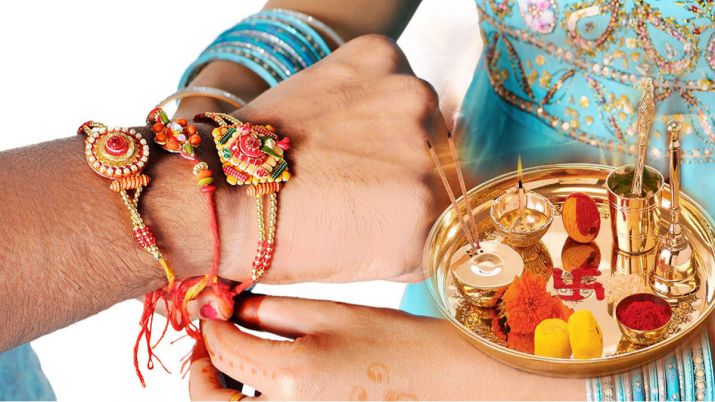
Raksha Bandhan, popularly known as Rakhi, is the quintessential celebration of the protective bond between brothers and sisters. Falling on the Purnima (Full Moon) of the Shravan month, it is a day where the "Rakhi" thread symbolizes a sister's love and a brother's lifelong vow of protection. In 2026, the festival carries significant importance due to the specific timing of the lunar tithi and the presence of the Bhadra period.
2026 Key Dates and Muhurat Timings
For 2026, it is essential to distinguish between the start of the Tithi and the auspicious time for the ceremony. In Hindu tradition, tying a Rakhi during Bhadra Kaal is strictly avoided as it is believed to bring ill fortune.
-
Raksha Bandhan Main Date: Friday, August 28, 2026
-
Purnima Tithi Begins: 09:08 AM on Thursday, August 27, 2026
-
Purnima Tithi Ends: 09:48 AM on Friday, August 28, 2026
-
The Best Time for Rakhi Ceremony: 05:57 AM to 09:48 AM on Friday, August 28, 2026.
Note: Because the Bhadra period prevails for nearly the entire day on August 27, the early morning hours of Friday, August 28, are the most recommended and auspicious for tying the Rakhi.
The Ritual and Puja Vidhi
The Rakhi ceremony is a sacred sequence designed to seek divine blessings for the brother's longevity and success.
-
The Puja Thali: Prepare a thali containing a Diya (lamp), Roli (vermilion), Akshata (unbroken rice), the Rakhi threads, and sweets.
-
The Tilak: The sister applies a Tilak on the brother's forehead, representing a blessing for his intellect and protection.
-
The Aarti: A small lamp is waved in a circular motion in front of the brother to ward off negative influences.
-
Tying the Rakhi: The sacred thread is tied around the brother's right wrist while the sister offers her prayers.
-
Sweetness and Vows: The siblings feed each other sweets. The brother then presents a gift to his sister, reaffirming his lifelong commitment to her protection.
Historical and Mythological Significance
The tradition of Raksha Bandhan is rooted in several powerful narratives found in Indian history and the Puranas:
-
Krishna and Draupadi: When Lord Krishna injured his finger, Draupadi immediately tore a piece of her saree to bind the wound. Touched by her devotion, Krishna vowed to protect her honor, which he famously did during the Vastra-Haran.
-
Goddess Lakshmi and King Bali: Lakshmi tied a Rakhi to the demon king Bali to seek the return of her husband, Lord Vishnu, proving that the bond of Rakhi transcends blood relations.
-
Rani Karnavati and Emperor Humayun: Historically, the Rajput Queen Karnavati sent a Rakhi to the Mughal Emperor Humayun to seek his military assistance against an invasion, highlighting the thread as a symbol of peace and cross-cultural respect.
Regional Variations on Shravan Purnima
While known as Rakhi in North and Central India, this day marks several other significant observances:
-
Narali Purnima (Western India): Coastal communities in Maharashtra and Gujarat offer coconuts to the Sea God, Varuna, to mark the beginning of the new fishing season.
-
Avani Avittam (South India): The Brahmin community performs a ritual to change their sacred thread (Janeyu) and seek atonement for past mistakes.
-
Jhulan Purnima (Eastern India): In Bengal and Odisha, this day marks the grand conclusion of the week-long swing festival of Radha and Krishna.
Summary for the Celebration
Raksha Bandhan 2026 is a reminder of the enduring values of family and mutual respect. Given the specific Tithi timings this year, families are encouraged to plan their gatherings for the morning of August 28 to ensure the rituals are performed during the most auspicious and traditionally favorable window.