Step into any corner of India, and you’ll find that our festivals are far more than just dates on a calendar—they are the rhythmic heartbeat of our heritage. Imagine the air changing as the monsoon arrives, the golden glow of a village harvest, or the quiet reverence during a guru’s birthday; these moments are the threads that weave our story together. While a single celebration might wear a different name or a different color as you cross state lines—a silent prayer in the hills becoming a grand, thundering spectacle in the south—the soul remains the same. This beautiful fluidity is India’s greatest gift, a shared history that feels both ancient and brand new, inviting the world to step inside and experience our timeless magic.

As winter gently fades and spring begins to bloom across India, March arrives with colour, devotion, harvest joy, and powerful cultural celebrations. Falling during the Hindu lunar months of Phalguna (फाल्गुन) and Chaitra (चैत्र), this period marks renewal, new beginnings, and some of the most vibrant festivals in India.

The month often opens with the spectacular celebration of Holi (होली) the festival of colours that symbolizes the triumph of good over evil and the arrival of spring. Streets come alive with gulal, music, festive sweets, and community gatherings. Closely following is Hola Mohalla (होला मोहल्ला) where the Sikh community showcases martial arts, bravery, and spiritual strength, transforming the celebration into a display of discipline and devotion.

In the northeastern state of Mizoram Chapchar Kut marks the completion of forest clearing for cultivation and celebrates the agricultural rhythm of life with dance, music, and traditional attire.

March also reflects social awareness and global unity International Women’s Day (अंतरराष्ट्रीय महिला दिवस) honours the achievements and contributions of women across the world. Environmental consciousness is emphasized through  World Forestry Day (विश्व वानिकी दिवस),  World Water Day (विश्व जल दिवस),  World Meteorological Day (विश्व मौसम विज्ञान दिवस), and World Tuberculosis Day (विश्व क्षय रोग दिवस), reminding society of its responsibility toward nature, climate, and public health.

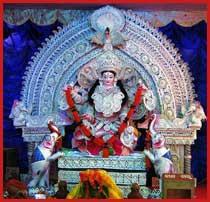
With the arrival of Chaitra, many regions of India celebrate the beginning of the Hindu New Year In Maharashtra Gudi Padwa (गुड़ी पड़वा) symbolizes prosperity and fresh beginnings, while in southern states Ugadi (उगादी) marks a new calendar cycle with traditional rituals and festive dishes. This sacred period also initiates Chaitra Navratri (चैत्र नवरात्रि) nine auspicious nights dedicated to the worship of Goddess Durga in her various divine forms.

For the Muslim community, of Eid al-Fitr (ईद-उल-फ़ितर) marks the joyful conclusion of Ramadan (रमजान), and a sacred month of fasting, prayer, and charity. Around the same time, the Parsi community celebrate Nowruz (नौरोज़), the Parsi New Year (पारसी नव वर्ष), welcoming the Persian New Year with prayers, festive meals, and cultural gatherings. Rajasthan comes alive with the colourful celebration of Gangaur (गणगौर) honouring Goddess Gauri and symbolizing marital harmony and devotion.

The devotional energy of March reaches its peak with Ram Navami (राम नवमी), commemorating the birth of Lord Rama and celebrating the ideals of righteousness and dharma. The month concludes with Mahavir Jayanti (महावीर जयंती), marking the birth of Lord Mahavira and spreading the timeless message of non-violence, truth, and compassion.

March in India is not merely a month on the calendar; it is a dynamic tapestry of faith, colour, harvest traditions, environmental awareness, and spiritual renewal. From spring festivals and regional fairs to new year celebrations and global observances, March beautifully reflects the diversity and cultural depth of India.

Explore and enjoy the panorama of Festivals / Fairs / Melas celebrated in India.

Forthcoming Festivals