
Kansa Vadh
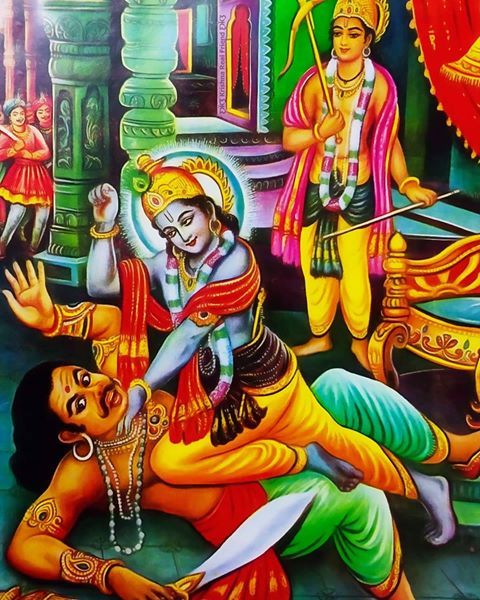
Kansa Vadha is celebrated in honor of Lord Krishna killing his evil uncle the demonic King Kansa of Mathura Celebrating […]
Kansa Vadha is celebrated in honor of Lord Krishna killing his evil uncle the demonic King Kansa of Mathura
Celebrating the Triumph of Dharma over Tyranny
Kansa Vadh is a significant cultural and religious observance that marks the victory of Lord Krishna over his maternal uncle, the tyrannical King Kansa. Observed primarily in the Braj region of Uttar Pradesh—specifically in Mathura—this day falls on the Dashami tithi (tenth day) of the Shukla Paksha in the month of Kartik. It serves as a powerful reminder that no matter how mighty a shadow may seem, the light of righteousness will inevitably prevail.
The Essence of the Celebration
Unlike typical festivals that celebrate a birth or a marriage, Kansa Vadh is a commemoration of the end of an era of oppression. It marks the moment when Krishna, a young boy from the village of Gokul, entered the royal arena of Mathura to fulfill his divine destiny. The day is defined by the restoration of peace to the Yadava clan and the liberation of Krishna’s parents, Vasudeva and Devaki, from Kansa’s dungeons.
Rituals and Major Attractions
1. The Effigy Procession and Destruction
The highlight of the festival in Mathura is the creation of a massive, multi-headed effigy representing King Kansa. A grand procession winds through the streets, accompanied by folk music and devotees chanting the names of Krishna.
-
The Ritual Act: In a dramatic reenactment of the ancient scripture, the effigy is symbolically beaten and dismantled, signifying the total eradication of evil.
2. Chaturvedi Brahmin Tradition
The Chaturvedi community of Mathura plays a central role in this festival. Traditionally, they lead the processions and perform special prayers. Following the “slaying” of the effigy, it is common for people to gather and share sweets, celebrating the freedom of their ancestors from Kansa’s reign.
3. Parikrama (The Sacred Walk)
Devotees participate in a Parikrama (circumambulation) of the holy town of Mathura. Walking through the narrow lanes where the events are believed to have unfolded, pilgrims visit the various temples dedicated to Krishna, offering prayers of gratitude for his protection.
4. Folk Theater and Raslila
Local troupes perform specialized “Raslilas” and theatrical plays that focus on the life of Krishna in Mathura. These performances act as an educational medium, passing down the complex narratives of the Bhagavad Purana to the younger generation through music, dance, and dialogue.
Significant Locations to Experience Kansa Vadh
-
Mathura, Uttar Pradesh: As the birthplace of Krishna and the site of Kansa’s palace, Mathura provides the most authentic and high-energy experience of this tradition.
-
Vishram Ghat: This is the spot where Lord Krishna is said to have rested after slaying Kansa. A grand Aarti is performed here on the evening of Kansa Vadh, reflecting on the river Yamuna.
-
Krishna Janmabhoomi Temple: The temple complex hosts special discourses and recitations of the Bhagavatam during this period.
Key Event Details for 2026
| Event Aspect | Details |
| Festival Date | Friday, November 20, 2026 |
| Lunar Timing | Kartik Shukla Dashami |
| Core Theme | Victory of Dharma (Duty) over Adharma (Evil) |
| Primary Region | Mathura and the Braj Bhoomi |
Reflection and Interactive Thought
Kansa Vadh teaches us that power without virtue is unsustainable. It encourages us to look within and “slay” our own internal “Kansas”—the ego, greed, and anger that hold our better selves captive.
Have you ever visited Mathura during the Kartik month? The energy of the city during Kansa Vadh is said to be incomparable. What qualities of Lord Krishna’s leadership do you find most inspiring for the modern world?
Tagline: Kansa Vadh: Witness the moment the chains were broken and justice was restored.
कंस मेला क्यों मनाया जाता है और कैसे मनाया जाता है, हिंदी में पढ़ें, यहां क्लिक करें