
Mahanavami: The Spiritual Culmination and Emotional Farewell
Final day of Navratri Festival- Mahanavami, Ninth day of Navratri, Mahanavami celebrations across India, Kanya Puja in Navratri While the […]
Final day of Navratri Festival- Mahanavami, Ninth day of Navratri, Mahanavami celebrations across India, Kanya Puja in Navratri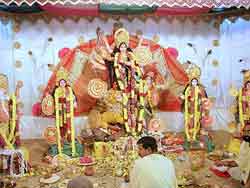
While the victory of the Goddess is celebrated with grand fervor, Maha Navami is also a day of deep emotional transition. As the final day of the nine-night odyssey, it brings a unique blend of high-energy passion and the bittersweet sentiment of bidding farewell to the Divine Mother.
The Sacred Offering of Sugarcane
A specific tradition unique to Maha Navami is the offering of Sugarcane Stalks to Goddess Durga. In Vedic symbolism, sugarcane represents the sweetness of life and the harvest of one’s hard work and devotion. By presenting sugarcane to the deity, devotees seek a life filled with “Madhurya” (sweetness) and the strength to overcome the “hardness” of worldly obstacles.
Regional Nuances: The Day of Rest and Reflection
The Kerala Tradition: A Sacred Pause In Kerala, while the rest of the country may be in peak celebration, Maha Navami is often observed as a Day of Rest.
-
Educational Pause: Following the Saraswati Puja on Ashtami (the previous day), students do not study on Navami. Books and tools remain at the feet of the Goddess.
-
No New Beginnings: It is a traditional belief in this region that one should not start new ventures or mundane activities on this day, as the energy is focused entirely on the resting presence of the Divine.
The Early Conclusion: Ashtami vs. Navami In certain communities across Kashmir, Haryana, and Maharashtra, the core Navratri rituals actually conclude on Ashtami (the eighth day).
-
Parvati’s Birth: In these regions, Ashtami is celebrated with extra significance as the birthday of Goddess Parvati.
-
Ritual Transition: For these families, the Kanya Puja and the “Kadhai” (festive meal) happen on the eighth day, making Navami a day of quiet contemplation and preparation for the final immersion or Dussehra.
The Emotional Landscape of the Ninth Day
Maha Navami is often described as a day of “Mixed Feelings.” The “passion reaches its highest” during the final Homa (fire ritual) and the last Aarti, but it is immediately followed by a sense of quietude. Devotees often feel an emotional void as the vibrant energy of the nine nights begins to settle, preparing the spirit for the “Victory of the Tenth Day” (Vijayadashami).
Deepening Your Celebration
-
For Students: Use this day to reflect on the knowledge you have gained rather than rushing to learn something new.
-
For the Home: Consider adding sugarcane stalks to your altar today to honor this ancient tradition of sweetness and bounty.
A Final Thought for the Ninth Night
As the lights of the ninth night begin to dim, we realize that the Goddess doesn’t “leave”; she simply moves from our external altars to our internal hearts.
Does your family conclude the celebrations today on Navami, or did you finish your rituals yesterday on Ashtami? Let us know the specific tradition your lineage follows.